For over two millennia, the horse has shaped the arts and cultures of East Asia—as a heavenly steed, status symbol, and emblem of strength, power, and virtue. To mark the Lunar Year of the Fire Horse, which traditionally begins in China, Korea, and Japan on February 17, 2026, paintings and woodblock prints, ceramics and porcelain, bronze sculptures, and lacquerware illustrate the multifaceted significance of the horse from the 3rd century BC to the modern era.

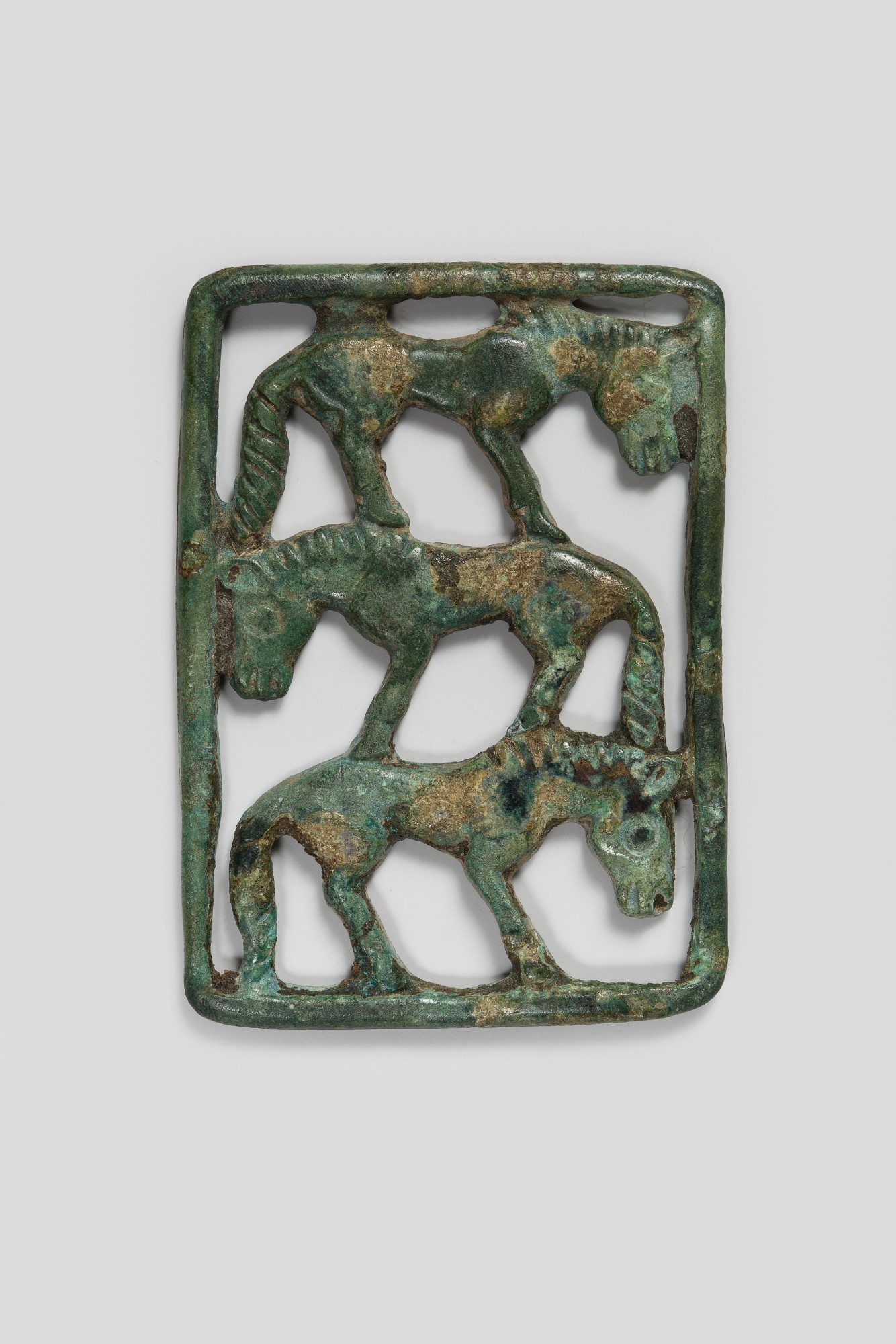
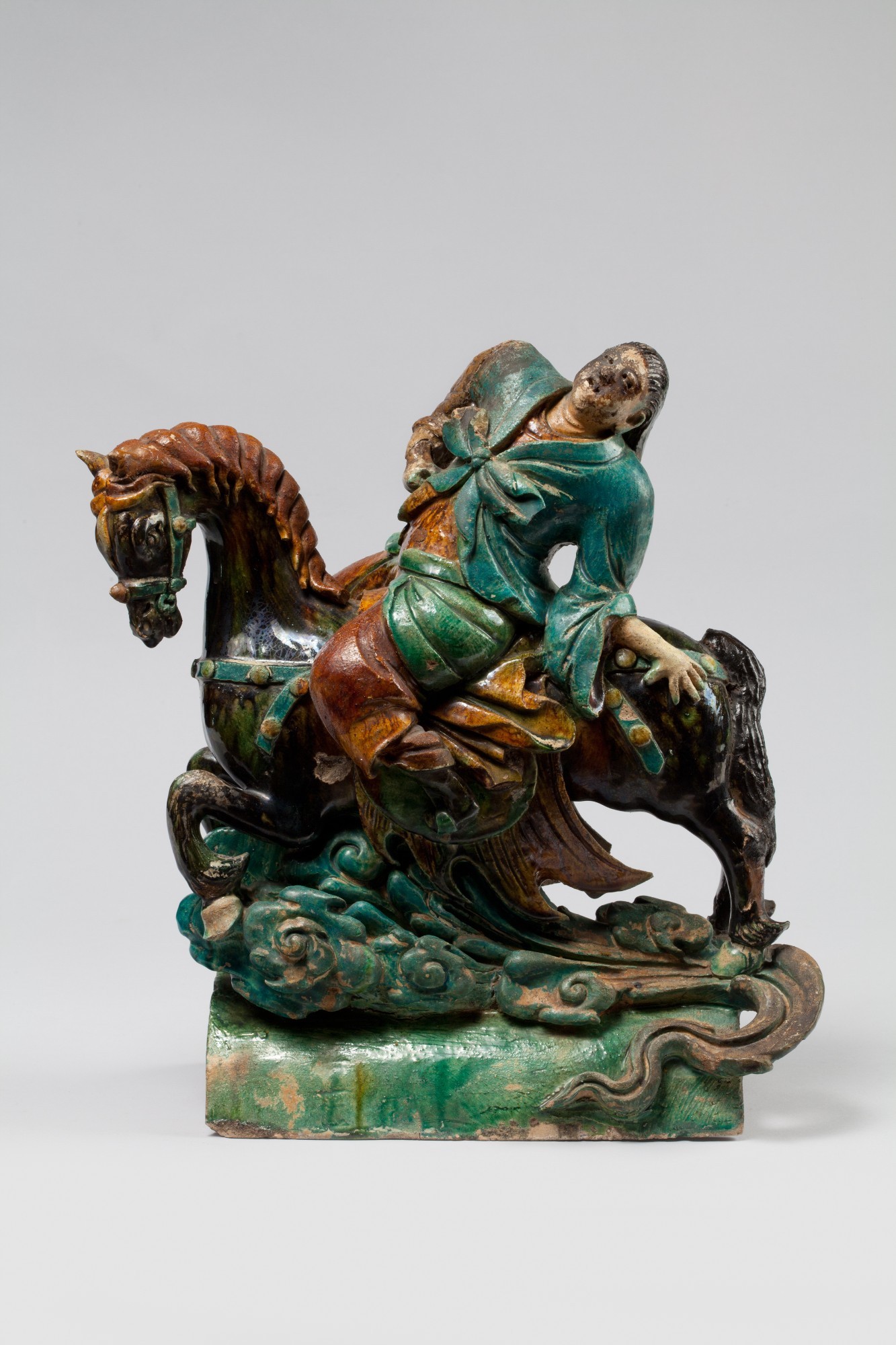
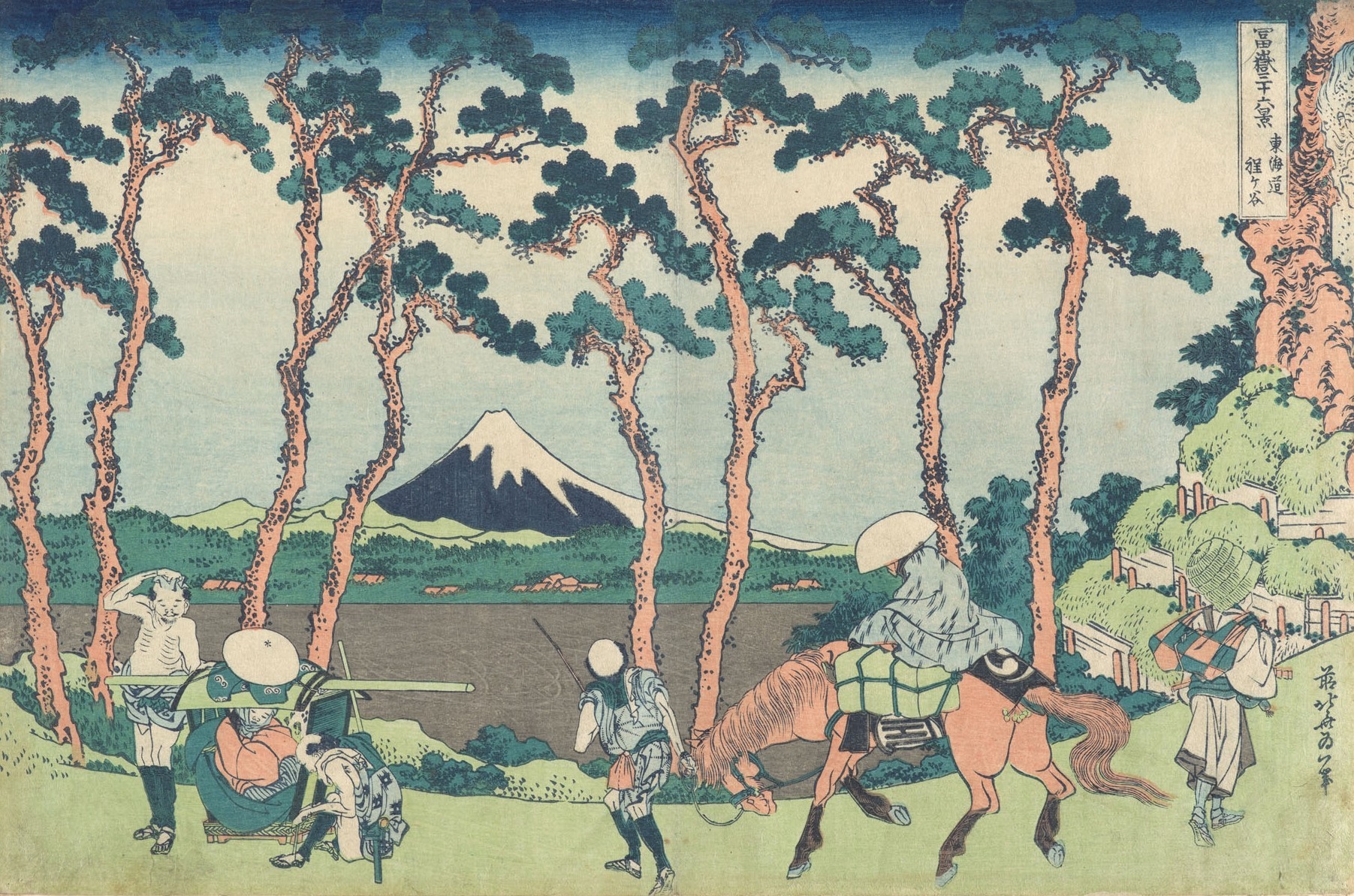
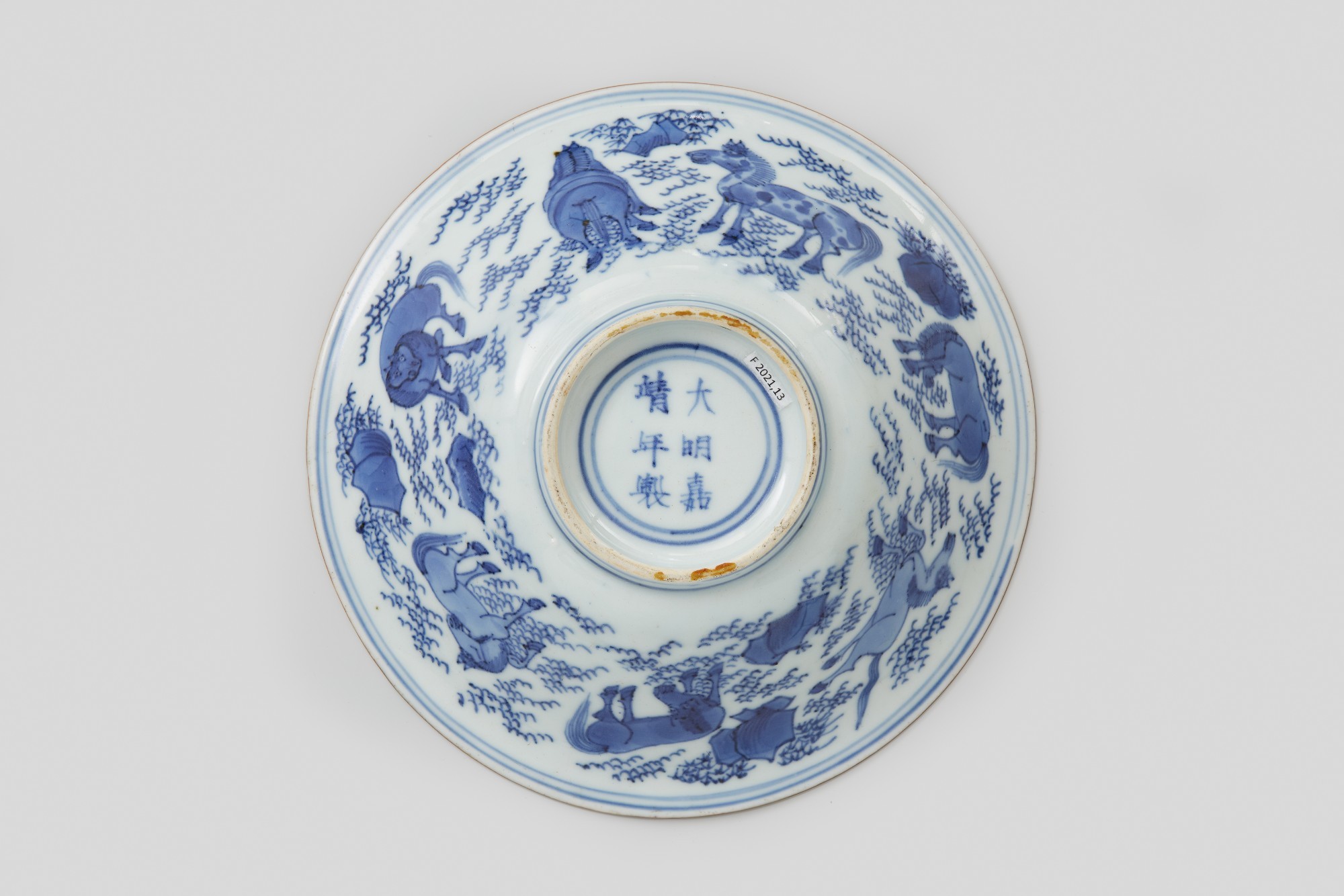
The mythological significance of the horse is illustrated by sculptural grave goods for the afterlife and depictions in which it accompanies deities and humans on supernatural journeys through the heavens.
The use of horses in the military made the possession of strong horses a prerequisite for the successful defense of the state and conquests from early times onwards. This is illustrated by battle scenes and portraits of generals and officials.
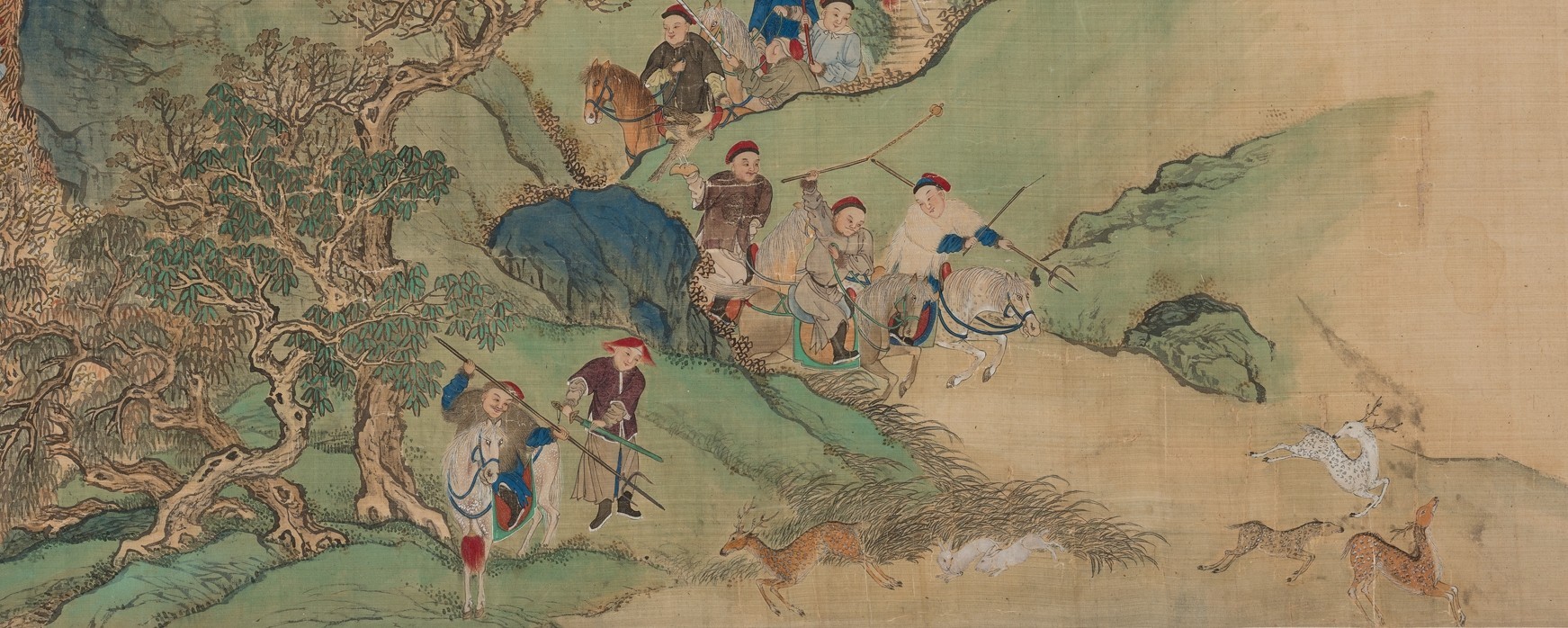
The art of the Tang Dynasty (617–907) impressively testifies to the importance of the horse as a key commodity on the Silk Road and as a tribute gift between the Chinese imperial court and the northern steppe peoples. Beyond its military and economic uses, the horse became indispensable for hunting, which is particularly reflected in the art of the Qing dynasty (1644–1912).
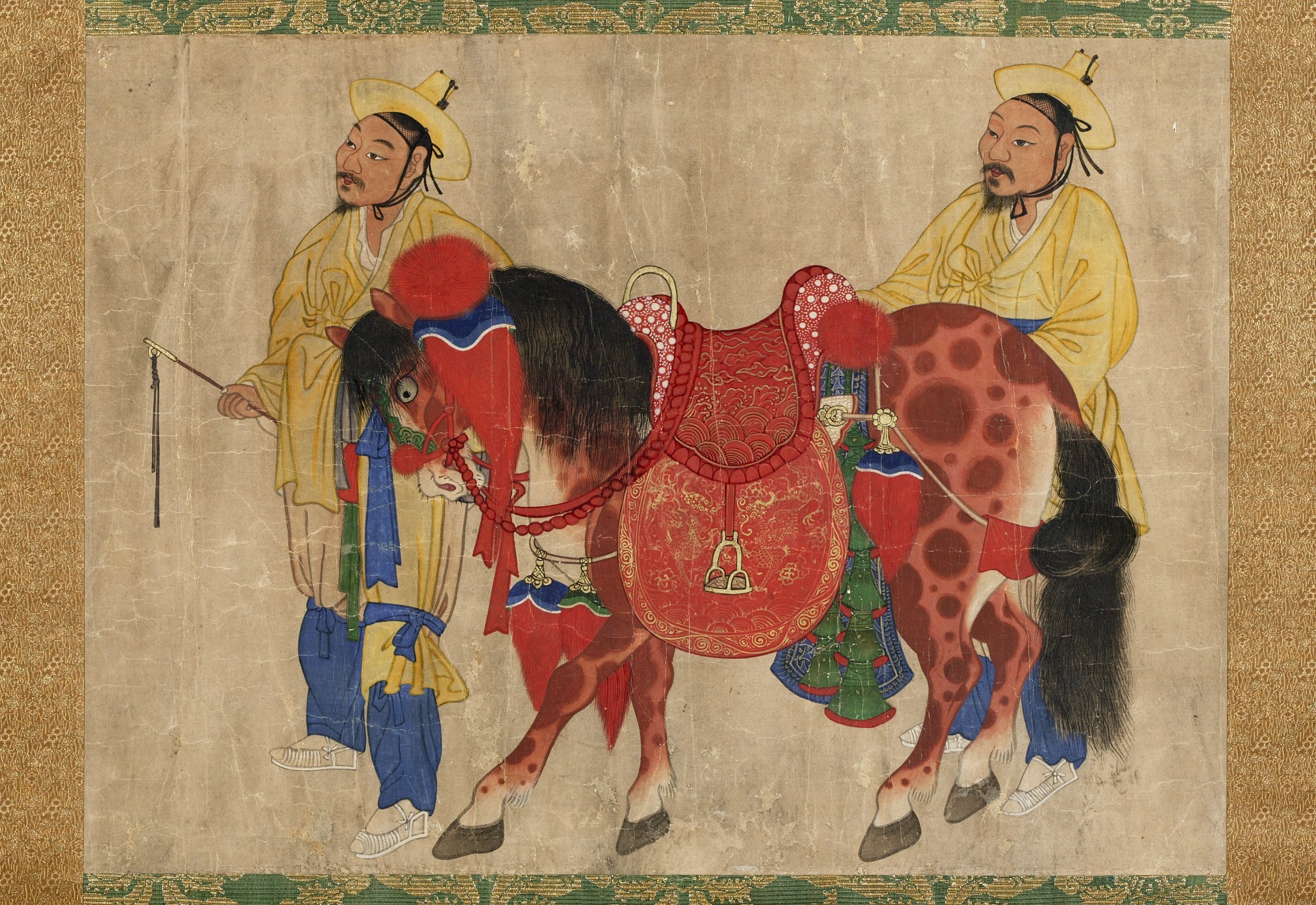
In Japanese and Korean painting, the horse is mainly depicted as a companion to samurai, scholars, and travelers. Since the Meiji period (1868–1912), it has been depicted in secular woodblock prints, for example at a horse racing track, and as an ornament on handcrafted objects. Artfully crafted riding accessories such as saddles, stirrups, and bridles illustrate its role as a symbol of power and status among the upper classes.
For the exhibition “The Lunar Year of the Horse,” filmmaker Jie Lu has artistically edited and animated a section from the scroll Autumn Hunt, a work by anonymous court painters from the 18th century.
Curator: Dr. Daniel Suebsman
Supported by
Orientstiftung zur Förderung der Ostasiatischen Kunst
Fördererkreis des Museums für Ostasiatische Kunst Köln



Opening times
Tuesday to Sunday
11am – 5pm
Every first Thursday in the month
11am – 10pm (except Mai 1)
Closed Mondays; open on All Saints' Day
Museum is closed on December 24th, Christmas Day (25 Dec), New Year's Eve (31 Dec) and New Year's Day (1 Jan). Museum is opend on Easter Monday, Whit Monday, German Unity Day and December 26.
Admission prices
€ 9.50 / € 5.50
KölnTag on the first Thursday of the month (except public holidays): free admission to the Museum for all Cologne residents.
How to get here
Public transport: Tram routes 1 and 7 and bus route 142, alight at ‘Universitätsstrasse’
There is a car park at the museum
Barrier-free
The museum is barrier-free. Disabled toilet available. *The foyer is currently accessible with assistance from staff (+49 221-221-28608).
more
Termine
Workshop:
Experimentelle Tusche-Werkstatt — Tiere
Fr, 25.09.2026, 11:30 Uhr
Workshop:
Shōdo — Japanische Kalligrafie (Wochenendkurs)
Sa, 26.09.2026, 12:00 Uhr
Führung:
Klimafestival: Garten, Park und Museumsbau in Harmonie
So, 27.09.2026, 12:00 Uhr
Workshop:
Inside and Outside: Urban Sketching am Aachener Weiher
Do, 01.10.2026, 17:00 Uhr
Führung:
Ein Schatzhaus für die Kunst Ostasiens – Das Museum im Überblick
Do, 01.10.2026, 17:30 Uhr
Kalender

Museum für
Ostasiatische Kunst Köln
Universitätsstrasse 100
D 50674 Köln
Ticket office +49.221.221-28617
mok@stadt-koeln.de
Legal notice